Depression
Hope starts with help.
Stormont Vail Behavioral Health provides compassionate care for children, teens, and adults experiencing symptoms of depression. Learn about causes, warning signs, and treatment options.
Request Care or Schedule an Appointment
Inpatient Services: (785) 270-4646
Outpatient Services: (785) 270-4630
Need Help Now?
Mental Health Crisis Line: Call or text 988
What is Depression?
Depression, also called major depressive disorder, is a mood disorder that affects how you feel, think, and function. It can cause ongoing sadness, loss of interest in daily activities, and changes in sleep, appetite, or energy. Left untreated, depression can impact relationships, work, and overall health—and may lead to thoughts of self-harm or suicide.
Common Symptoms of Depression
Depression looks different for everyone. Common signs include:
- Anxiety or irritability
- Changes in appetite or weight
- Difficulty concentrating or making decisions
- Fatigue or low energy
- Headaches or stomach pain
- Loss of interest in hobbies or social activities
- Persistent sadness, hopelessness, or emptiness
- Thoughts of death or suicide
- Trouble sleeping or sleeping too much
Depression Across the Lifespan
Depression can affect people at any age. It’s important not to dismiss these signs as “just a phase” or “part of getting older.”
- Teens and children may show more irritability, anger, or withdrawal than sadness.
- Older adults may feel more isolated or hopeless, especially after a loss or major life change.
What Causes Depression?
There’s no single cause of depression. It may be triggered by:
- Brain chemistry imbalances
- Genetics or family history
- Trauma, stress, or major life events
- Chronic illness or pain
- Hormonal changes (e.g., pregnancy, menopause, thyroid issues)
Getting a Diagnosis
If you think you may be experiencing depression, talk to your primary care provider or a behavioral health professional about your symptoms. They may run tests to rule out other conditions, such as thyroid disorders.
How We Treat Depression
Stormont Vail Behavioral Health creates personalized treatment plans that may include:
- Cognitive behavioral therapy (CBT)
- Medication management
- Mindfulness and stress-reduction techniques
- Support for co-occurring conditions like anxiety or substance use
- Inpatient therapy if depression becomes very severe
How You Can Help Someone Showing Signs of Depression
- Ask Directly
“Are you thinking about suicide?”
- Listen without Judgment
Let them share their feelings.
- Stay Connected
Help them find support and follow up.
- Remove Dangers
Safely store or remove firearms, medications, or alcohol.
Immediate Crisis Support
Behavorial Health Team
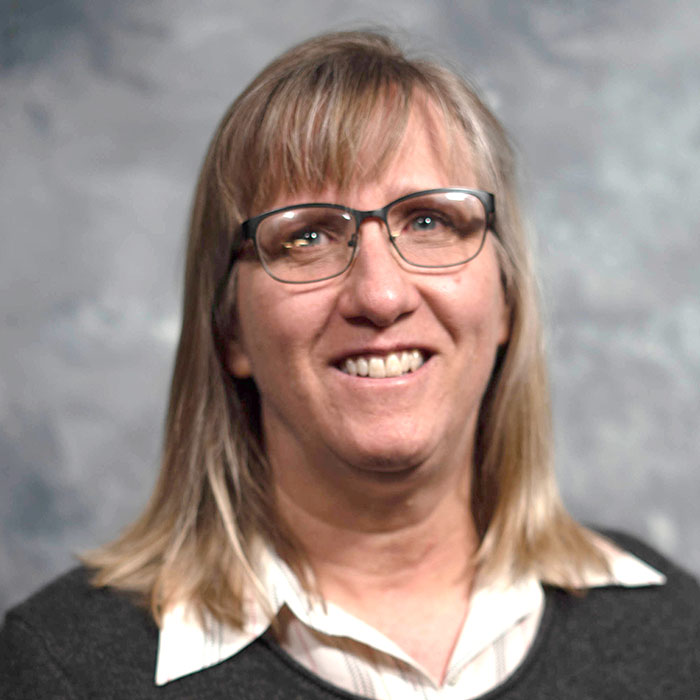
Mary Wilson, PhD
Specialty: Psychology- « Previous
- 1
- …
- 3
- 4
- 5