What is Anxiety?
Anxiety is a natural response to stress. But when worry becomes overwhelming, persistent, or difficult to manage, it can affect your health, relationships, and ability to function.
Common Symptoms of Anxiety
Anxiety can show up in many ways. You may experience:
- Feeling nervous, restless, or tense
- A sense of panic or impending doom
- Rapid heartbeat or breathing
- Sweating or trembling
- Fatigue or weakness
- Trouble concentrating
- Difficulty sleeping
- Upset stomach or other gastrointestinal issues
- Avoiding situations that trigger worry
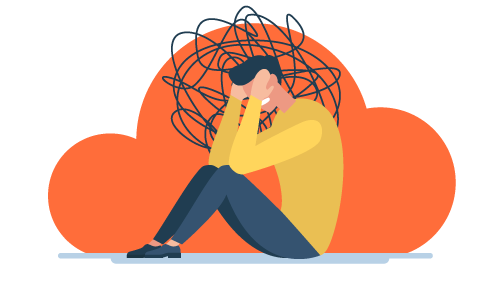
Getting a Diagnosis
Start by talking to your primary care provider. They may refer you to a mental health specialist for a psychological evaluation to better understand your symptoms and create a treatment plan.
How We Treat Anxiety
We create an individualized care plan based on your needs, goals, and lifestyle. Services may include:
- Cognitive behavioral therapy (CBT)
- Psychodynamic and psychoanalytic therapy
- Holistic and humanistic therapy
- Integrative therapy
- Medication management
- Individual, group, and family therapy
- Support for co-occurring conditions (e.g., depression, substance use)
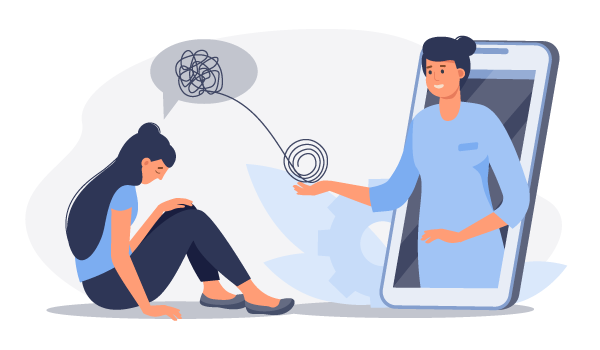
Lifestyle and Home Remedies for Anxiety
Alongside psychotherapy and medication, certain lifestyle changes can help manage or reduce anxiety. Here are some practical steps individuals experiencing symptoms can take.
Stay Active
Regular exercise is a powerful stress reliever. It boosts your mood and helps your body handle anxiety more effectively.
Avoid Alcohol & Recreational Drugs
These substances can trigger or worsen anxiety symptoms. Staying clear of them supports your mental health.
Limit Caffeine & Quit Smoking
Caffeine and nicotine are stimulants that can heighten anxiety. Cutting back can make a noticeable difference.
Practice Relaxation Techniques
Try meditation, yoga, or visualization exercises. These techniques promote calm and help you manage stress.
Prioritize Sleep
Getting enough rest is essential for both physical and mental health. Aim for a consistent sleep schedule and a restful environment.
Eat a Balanced Diet
Choose foods that support brain health, like vegetables, fruits, whole grains, and fish. A nutritious diet is linked to reduced anxiety.
How You Can Help Someone Showing Signs of Anxiety
- Ask directly: “Are you thinking about suicide?”
- Listen without judgement: Let them share their feelings.
- Stay connected: Help them find support and follow up.
- Remove dangers: Safely store or remove firearms, medications, or alcohol.
Need Help Now?
If you or someone you care about is in crisis, help is available 24/7:
- Suicide & Crisis Lifeline: Call or text 988
- Crisis Text Line: text HOME to 741741
- Valeo Crisis Line (Adults): (785) 234-3300
- Family Service & Guidance Center (Children): (785) 232-5005
- Stormont Vail Behavioral Health: (785) 270-4646
- In an emergency: Call 911
Meet the Behavioral Health Team
Karissa J Mishler, APRN
Specialty: Psychiatry
Katrina Morriss, APRN
Specialty: Psychiatry
Sheila Nelson, APRN
Specialty: Psychiatry
Linsy Ogden, APRN
Specialty: Psychiatry
Angela Patterson-Tetuan, APRN
Specialty: Psychiatry
Susan Privoznik, APRN
Specialty: Psychiatry
Cherie Schlink, APRN
Specialty: Psychiatry
Marcy Scott, LSCSW
Specialty: Psychiatry
Jason H Seymour, M.D.
Specialty: Psychiatry
Pir Shah, M.D.
Specialty: Psychiatry
Laura N Sidlinger, APRN
Specialty: Psychiatry
Nicole Sparks, LSCSW
Specialty: Psychiatry
Shakila Tanjim, M.D.
Specialty: Psychiatry
Lydia Thompson, LMLP
Specialty: Psychiatry
Christina L Tomanek, LMSW
Specialty: Psychiatry- « Previous
- 1
- 2
- 3
- 4
- Next »